Antibiotic use in infants linked to asthma#vaccines#iBelieve#health

by Sima Ash, CHom, CNC 
Many parents of children with autism, ADHD, asthma and allergies (the 4 A’s) note that their children were frequently on antibiotics. A recent study found a link between antibiotic use during the first year of life and the development of asthma.

How does antibiotic use cause asthma?

New research published in The Lancet Respiratory Medicine states that impaired viral immunity and genetic variants on a region of chromosome 17 increase the risk of both antibiotic use in early life and later development of asthma rather than the antibiotics themselves. However, other research challenges this finding.

Many parents of children with autism, ADHD, asthma and allergies (the 4 A’s) note that their children were frequently on antibiotics. A recent study found a link between antibiotic use during the first year of life and the development of asthma.

How does antibiotic use cause asthma?

New research published in The Lancet Respiratory Medicine states that impaired viral immunity and genetic variants on a region of chromosome 17 increase the risk of both antibiotic use in early life and later development of asthma rather than the antibiotics themselves. However, other research challenges this finding.

The scientific link between asthma and antibiotics

– See more at: http://www.naturalhealth365.com/autism_news/1045_antibiotic_asthma.html#sthash.IzlApvba.dpuf

Many parents of children with autism, ADHD, asthma and allergies (the 4 A’s) note that their children were frequently on antibiotics. A recent study found a link between antibiotic use during the first year of life and the development of asthma.

How does antibiotic use cause asthma?

New research published in The Lancet Respiratory Medicine states that impaired viral immunity and genetic variants on a region of chromosome 17 increase the risk of both antibiotic use in early life and later development of asthma rather than the antibiotics themselves. However, other research challenges this finding.

The scientific link between asthma and antibiotics

– See more at: http://www.naturalhealth365.com/autism_news/1045_antibiotic_asthma.html#sthash.IzlApvba.dpuf

Many parents of children with autism, ADHD, asthma and allergies (the 4 A’s) note that their children were frequently on antibiotics. A recent study found a link between antibiotic use during the first year of life and the development of asthma.

How does antibiotic use cause asthma?

New research published in The Lancet Respiratory Medicine states that impaired viral immunity and genetic variants on a region of chromosome 17 increase the risk of both antibiotic use in early life and later development of asthma rather than the antibiotics themselves. However, other research challenges this finding.

The scientific link between asthma and antibiotics…

Continue to article here


Is The Epidemic of Sudden Infant Deaths A Medically Induced ‘Syndrome’?#vaccines#iBelieve#Health

A new study published in Current Medicine and Chemistry titled, “Sudden infant death following hexavalent vaccination: a neuropathologic study,” lends support for the long theorized link between an ever-expanding number of infant vaccines and Sudden Infant Death Syndrome (SIDS).

The fact that the peak age for SIDS is 2–4 months, which coincides with the introduction of 11 shots containing 16 vaccines (within the US immunization schedule), is so obvious a cause for concern, that even the CDC has been compelled to address the seeming ‘coincidence’ directly:

“From 2 to 4 months old, babies begin their primary course of vaccinations. This is also the peak age for sudden infant death syndrome (SIDS). The timing of these two events has led some people to believe they might be related…With babies receiving multiple doses of vaccines during their first year of life and SIDS being the leading cause of death in babies between one month and one year of age, CDC has led research studies to look for possible linkage.”

Unsurprisingly, the CDC, whose pro-vaccine agenda is glaringly oblivious to the 100+ documented serious, unintended adverse effects of vaccines as evidenced in the biomedical literature, claims extensive research they commissioned has found vaccines do not cause SIDS. Despite the CDC’s dismissal, infant mortality rates are highest among countries that administer the most vaccines within the most vulnerable developmental window of infanthood. A 2011 study published in Human & Experimental Toxicology, for instance, observed that “The US childhood immunization schedule specifies 26 vaccine doses for infants aged less than 1 year—the most in the world—yet 33 nations have lower IMRs [infant mortality rates].” They found that across the 34 nations analyzed “a high statistically significant correlation between increasing number of vaccine doses and increasing infant mortality rates, with r = 0.992 (p = 0.0009).”

Also, a recent study published in Vaccine titled, “Co-administration of live measles and yellow fever vaccines and inactivated pentavalent vaccines is associated with increased mortality compared with measles and yellow fever vaccines only” found multiple infant vaccines dramatically increased the risk of mortality in a trial conducted in the West African country of Guinea-Bissau…

Continue to article here

greenmedinfo.com

Vaccinations Linked to Autism#vaccines#iBelieve#ASD

We are told repeatedly that study after study has shown vaccinations to be safe and not to be linked to autism. Just reading the vaccine inserts, you will discover that vaccines are not 100% safe – a fact that is reiterated by discussions with pediatricians. However most pediatricians would still recommend vaccinating as they feel the benefits outweigh the risks.      


Regarding all the research that has been done not linking vaccines to autism, there are actually studies that do link vaccines to autism. These studies were not funded by the pharmaceutical industry and are often dissected by those who whole-heartedly support vaccines even though the pharmaceutical studies are taken at face value.


Hepatitis B Vaccine and Autism

Prior to 1999, the Hepatitis B vaccine contained thimerosal (49.6% mercury by weight). A study was performed in 2010 to determine if vaccines containing thimerosal given prior to 1999 were linked to autism. The Journal of Toxicology and Environmental Health found that there was in fact a link….

Continue Reading Here

healing4soul.com


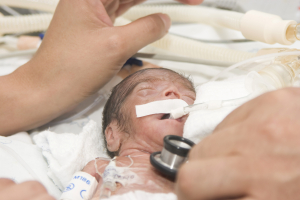
Should Premature Babies Be Included In The One-Size-Fits-All Vaccination Policy?#premature#Health#vaccines

by Christina England       

According to a fact sheet published by the University of Auckland, premature babies weighing as little as seventeen ounces are supposed to be vaccinated with same dose of vaccines given to an adult. The vaccination schedule is not being adjusted in any way and does not take into consideration a premature baby’s fragility or their weight.

Their decision has left many professionals questioning whether or not the “one-size-fits-all” vaccination policy is really suitable for premature babies, given the fact that many of them are not yet medically stable.

The University of Auckland believes that no changes are needed and recommends that the vaccination schedule should not be adjusted. They insist that these fragile babies should be vaccinated according to their chronological age, rather than their due date, and that they should be vaccinated in line with the vaccination schedule set by the government.

Is The One-Size-Fits-All Policy Right For Premature Babies?

In the USA, approximately 500,000 babies are born prematurely each year. These are babies born before 37 weeks of completed pregnancy. According to the Centers for Disease Control and Prevention (CDC), the earlier a baby is born, the more likely they are to suffer from severe health problems. Many of these babies die, while others may be severely disabled with learning disabilities, cerebral palsy, respiratory disorders, visual complications, hearing loss and feeding and digestive problems.

The CDC states:

“Although most babies born just a few weeks early do well and have no health issues, some do have more health problems than full term babies. For example, a baby born at 35 weeks is more likely to have—

  • jaundice
  • breathing problems
  • longer hospital stay” [1]

Many of these babies spend weeks, if not months, in incubators, while their lives hang in the balance. Is it really appropriate to vaccinate such fragile babies, regardless of their state of health?

To Continue Reading click here

CDC’s Vaccine Safety Research is Exposed as Flawed and Falsified in Peer-Reviewed Scientific Journal#Vaccines#ASD#Health

CDC’s Vaccine Safety Research is Exposed as Flawed and Falsified in Peer-Reviewed Scientific Journal

PRNewswire-iReach/ — Just months after U.S. Congressman Bill Posey compared the Center for Disease Control (CDC)’s vaccine safety studies to the SEC’s Bernie Madoff scandal, malfeasance in the CDC’s studies of thimerosal-containing vaccines has, for the first time, been documented in peer-reviewed scientific literature. While the CDC states on its website that “low doses of thimerosal in vaccines do not cause harm, and are only associated with minor local injection site reactions like redness and swelling at the injection site,” the journal BioMed Research International now provides direct evidence that the CDC’s safety assurances about the mercury-containing preservative are not fact-based, according to the article’s lead author, Brian Hooker, PhD.

The paper opens by citing over 165 studies that have found Thimerosal to be harmful, including 16 studies that had reported outcomes in human infants and children of death, acrodynia, poisoning, allergic reaction, malformations, auto-immune reaction, Well’s syndrome, developmental delay and neurodevelopmental disorders including tics, speech delay, language delay, ADHD and autism. These findings by multiple independent research groups over the past 75+ years have consistently found thimerosal to be harmful. “Substantial scientific evidence exists and has existed for many years that the vaccine ingredient thimerosal is a developmental neurotoxin” says George Lucier, former Associate Director of the National Toxicology Program.

Studies showing harm from thimerosal sharply contradict published outcomes of six CDC coauthored and sponsored papers – the very studies that CDC relies upon to declare that thimerosal is “safe” for use in infant and maternal vaccines. Dr. Hooker, biochemist and vaccine industry watchdog, said of the six CDC studies, “Each of these papers is fatally flawed from a statistics standpoint and several of the papers represent issues of scientific malfeasance.  For example, important data showing a relationship between thimerosal exposure and autism are withheld from three of the publications (Price et al. 2010, Verstraeten et al. 2003 and Madsen et al. 2003).  This type of cherry-picking of data by the CDC in order to change the results of important research studies to support flawed and dangerous vaccination policies should not be tolerated.”

Dr. Boyd Haley, international expert in mercury toxicity and a co-author of the recently published paper said “There is no doubt that authorities in the CDC have initiated and participated in a cover-up of vaccine-induced damage from thimerosal to our children—-and this I consider criminal.” The paper, “Methodological Issues and Evidence of Malfeasance in Research Purporting to Show Thimerosal in Vaccines is Safe,” was published on June 6 and contains eight pages of evidence that the CDC has had knowledge of the vaccine preservative’s neurological risks, yet continues to cover them up.

Continue Reading Article Here

Herd Immunity: Myth or Reality?#Vaccines#Health#ASD

Written By: Tetyana Obukhanych, PhD 

Tetyana Obukhanych (Ph.D. in immunology from Rockefeller University, New York, NY) is the author of Vaccine Illusion. The book is available in pdf e-book form for immediate download here.  

Even though endemic outbreaks of common childhood diseases, such as measles, have been eliminated in some regions after prolonged mass-vaccination efforts, we are still being constantly reminded that reducing vaccination coverage of children in a community poses the risk of a reimported disease outbreak with potentially dire consequences to infants and immuno-compromised individuals.  We are also being persuaded that implementing strict vaccination compliance will prevent an outbreak and protect vaccine-ineligible infants via the herd-immunity effect.

There is no question that a disease outbreak can happen in a non-immune community, if a virus gets there.  The real question is, how well can high-vaccination compliance ensure herd immunity and protect a community from an outbreak?

Herd Immunity, a Key Principle

Herd immunity is not an immunologic idea, but rather an epidemiologic construct, which theoretically predicts successful disease control when a certain pre-calculated percentage of people in the population are immune from disease.  A scholarly article on herd immunity states:

“Along with the growth of interest in herd immunity, there has been a proliferation of views of what it means or even of whether it exists at all. Several authors have written of data on measles, which “challenge” the principle of herd immunity and others cite widely divergent estimates (from 70 to 95 percent) of the magnitude of the herd immunity threshold required for measles eradication.”[1]

Herd immunity has been deemed instrumental in rapid disease eradication.  Relying upon the meticulous work of Dr. A. W. Hedrich, who documented annual measles attack rates in relation to the proportion of naturally immune people in the 1900s-1930s, the United States Public Health Service had confidently announced in 1967 its intent to swiftly eradicate measles in the USA over the Winter by vaccinating a sufficient number of still susceptible children.[2] Mass vaccination was implemented, but the expected herd-immunity effect did not materialize and measles epidemics did not stop in 1967.

The concept of herd immunity has been used to justify the idea of vaccinating children against a mild disease, who do not personally benefit from such vaccination, to protect a vulnerable but vaccine-ineligible segment of the population.  For example, rubella is not dangerous for children.  However, for pregnant women who have not become immune from rubella prior to pregnancy, a rubella infection poses a danger during the first trimester by increasing the risk of fetal developmental abnormalities (congenital rubella).  Obviously, vaccination with a live-attenuated viral vaccine, such as the rubella vaccine, is contraindicated during pregnancy….

Herd Immunity, a Flawed Concept…

Read the Entire Article Here

Autism: More Laughable Science#vaccines#autism#ASD

by: ,                                            

Don’t these stories just make you laugh? CDC, WHO, and pharmaceutical industry sponsored research such as: old moms and old dad’s cause autism, living next to a freeway causes autism, autism begins in the womb, or this new research that shows autism may be connected to a woman’s use of antidepressants during pregnancy?

Two things are clear: one is that toxins play a role in the autism epidemic and the other is that autism is a man-made epidemic.

To the point that toxins play a role:

Maybe older parents today have accumulated more toxins because the corporate world and our governments are dumping more and more of them on us than happened to parents 100 years ago.

Maybe it is because living next to a freeway, or a coal plant, or other big industry that spews toxic pollutants increase a person’s toxic exposure and load.

Maybe it is because women are now pushed to receive flu vaccines (oftentimes mercury laden ones) and other vaccines
while they are pregnant…

Read the Entire Article Here